
Customer follow-up techniques in Europe
| Europe | area | nation | climate |
| Northern Europe | Norway | Arctic/Temperate Continental ClimateLong and cold winterLong snow seasonTemperatures dropped to -20°CCold resistance | |
| Sweden | |||
| Denmark | |||
| Finland | |||
| Iceland | |||
| Western Europe | U.K. | Temperate maritime climateMild and rainy throughout the yearHigh humidityWarm in winter and cool in summerMoisture-proof | |
| France | |||
| Ireland | |||
| Netherlands | |||
| Belgium | |||
| Luxembourg | |||
| Monaco | |||
| Eastern Europe | Germany | Temperate continental climateCold in winter and hot in summerLarge annual temperature rangeWinter snowInsulation and heat dissipation | |
| Austria | |||
| Switzerland | |||
| Poland | |||
| Hungary | |||
| Slovakia | |||
| Czech Republic | |||
| Liechtenstein | |||
| Southern Europe | Romania | Mediterranean climateHot and dry summerMild and rainy wintersStrong ultraviolet radiationHeat insulation | |
| Bulgaria | |||
| Serbia | |||
| North Macedonia | |||
| Albania | |||
| Greece | |||
| slovenia | |||
| Croatia | |||
| Bosnia and Herzegovina(Bosnia and Herzegovina) | |||
| Montenegro | |||
| Italy | |||
| Vatican City | |||
| san marino | |||
| malta | |||
| Spain | |||
| Portugal | |||
| Andorra |
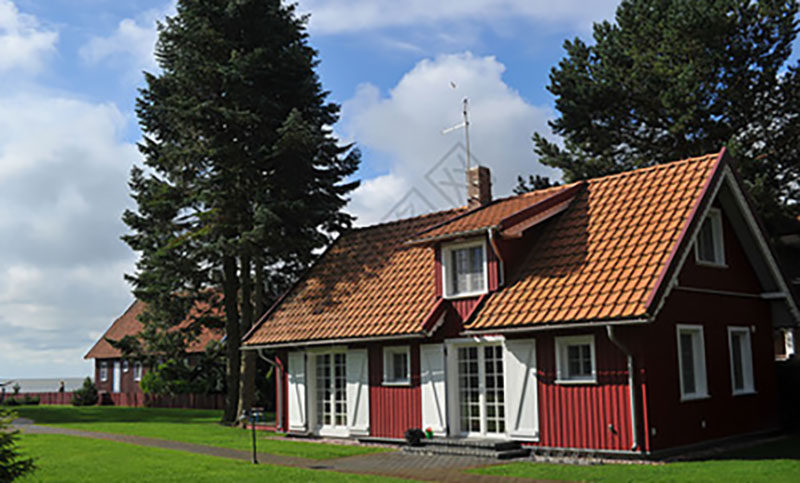
Climate conditions in various regions of Europe :
Temperate maritime climate zone (Western Europe: Britain, France, western Germany, etc.)
Characteristics: Mild and rainy year-round, warm winters and cool summers, high air humidity, annual precipitation of 800-1000 mm.
Impact: Prefabricated houses need to pay attention to moisture-proof and ventilation design, and it is recommended to use corrosion-resistant building materials (such as galvanized steel). The roof slope should be adapted to rainy weather.
Mediterranean climate zone (Southern Europe: Spain, Italy, Greece, etc.)
Characteristics: Hot and dry summers (temperature 25-30℃), mild and rainy winters, and strong sunshine.
Impact: Houses need to have enhanced heat insulation and sun protection performance, and can be equipped with solar photovoltaic panels. Doors and windows should be made of heat-resistant and UV-resistant materials.
Temperate continental climate zone (Eastern Europe: Poland, Romania, Eastern Central Europe)
Characteristics: Cold winters and hot summers, large annual temperature range, with winter temperatures dropping to below -10℃ and summer temperatures reaching as high as 30℃, and precipitation concentrated in summer.
Impact: The house needs to balance heat preservation and heat dissipation , the walls should have a thicker insulation layer, and the heating system should be adapted to local needs.
Arctic climate zone (Northern Europe: Northern Norway, Northern Finland)
Characteristics: Low temperatures throughout the year, long and harsh winters with temperatures often below -20℃, and a long snow cover period.
Impact: Prefabricated houses need to have extremely strong cold resistance and load-bearing capacity, using a steel structure frame with a thick insulation layer, and the roof design needs to take snow load into account.
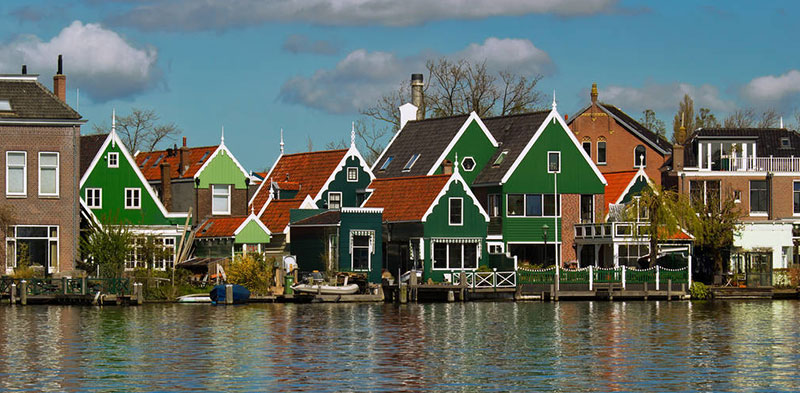
Certifications required for the European market :
ISO certification
ISO international standard certification is an international recognition that indicates your products, services, or management system meet international standards. ISO 9001 quality management system certification and ISO 14001 environmental management system certification are highly valuable certifications in the European market.
CE certification
The CE marking is an approval from the European Union for products that meet its safety, health, and environmental requirements. Many products require CE certification before they can be sold in the European market.
GS certification
GS certification is a German product safety certification that proves your product meets German safety requirements. While GS certification is most important in the German market, it also enjoys high recognition throughout Europe.