
Asia is a vast country with a complex and diverse climate (tropical monsoon, subtropical monsoon, temperate monsoon, temperate continental, highland and mountain climates, etc.). This climatic difference directly determines the core differences between temporary housing (modular buildings such as prefabricated houses and container houses) and permanent housing in terms of design, material selection, structural strength and functional configuration. The connection between the two is mainly reflected in two aspects: climate adaptability design and the degree of matching with the usage scenario.
Ⅰ. Different requirements for temporary housing and permanent housing in different climate zones
1. Tropical monsoon climate zone (Southeast Asia includes Vietnam, Laos, Cambodia, Thailand, Myanmar, Malaysia, Singapore, Indonesia, Philippines, Brunei, and East Timor ). South Asia includes India, Pakistan, Bangladesh, Nepal, Bhutan, Sri Lanka, and the Maldives. (Southern China, including Guangdong, Guangxi, Hainan, Hong Kong and Macau )
• Climate characteristics: hot and rainy, high humidity, frequent typhoons, long rainy season, and some areas are at risk of heavy rainfall and flooding.
Adaptation strategy for temporary housing
Materials: Prioritize the use of corrosion-resistant and rust-proof light steel keel + color steel sandwich panels (flame retardant and moisture-proof), and avoid wooden materials (prone to mold and insect infestation); container houses need to be galvanized for rust prevention and have moisture-proof mats installed at the bottom.
Structure: The wind resistance level needs to reach level 10-12, the roof is designed with a large slope (to facilitate drainage), and the walls are reserved with ventilation openings or louvers are installed to reduce indoor humidity; some projects can use an elevated base to prevent rainwater soaking.
Functions: Add sunshades and insulation layers; doors and windows are made of thermally broken aluminum or PVC to improve heat insulation and waterproof performance; suitable for temporary dormitories on construction sites, resettlement housing after disasters, and temporary shops.
Adaptation strategy for permanent residence
Materials: The main structure is made of reinforced concrete, the exterior walls are made of waterproof mortar + tiles/stone, and the roof is made of waterproof membrane + insulation layer to prevent leakage.
Structure: The foundation needs to be moisture-proofed, and the windows are designed to be sliding (for ventilation). In some coastal areas, doors and windows need to be reinforced (to resist typhoons); some residences are equipped with moisture-proof layers and dehumidification systems.
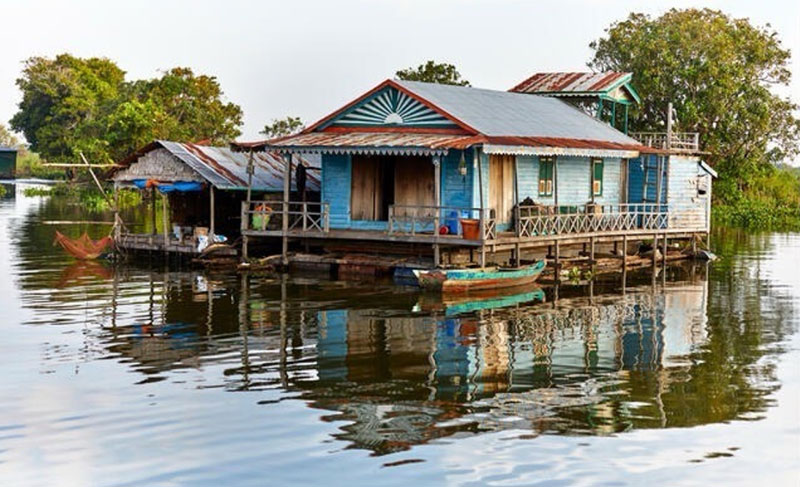
- Temperate monsoon climate zone (North China includes Beijing, Tianjin, Hebei, Shanxi, and central Inner Mongolia (Hohhot, Baotou, Ordos, Ulanqab, etc.). In a broader sense, it sometimes includes parts of Shandong and Henan, Northeast China includes Liaoning, Jilin, and Heilongjiang , Inner Mongolia , and the Korean Peninsula includes North and South Korea ).
• Climate characteristics: four distinct seasons, hot and rainy summers, cold and dry winters with strong winds, and blizzards and freezing weather in some areas.
Adaptation strategy for temporary housing
Materials: Rock wool/glass wool sandwich panels (good thermal insulation effect), thickened steel structure frame to enhance snow load resistance; sealing strips are added to doors and windows to improve airtightness.
Structure: The roof has a moderate slope (balancing drainage and snow resistance), and the ground is covered with an insulation layer to prevent structural deformation caused by frost heave; suitable for construction site project offices and temporary housing during winter construction.
Functions: Underfloor heating or air conditioning can be installed. Some temporary buildings are designed to be detachable, which facilitates insulation in winter and ventilation in summer.
Adaptation strategy for permanent residence
Materials: The exterior walls are made of thermal insulation mortar and exterior wall insulation boards; the roof is made of insulation layer and anti-slip tiles; and the windows are made of double-glazed glass (for heat insulation and cold protection).
Structure: The foundation depth must exceed the thickness of the local permafrost layer to prevent frost heave damage; the roof is designed as a pitched roof to enhance the ability of snow to slide off; some residences are equipped with centralized heating or independent heating systems.
- Temperate continental climate zone (Central Asia, Northwest Inland)
• Climate characteristics: large temperature difference between day and night, little precipitation, dry climate, frequent sandstorms, severe winters and hot summers.
Adaptation strategy for temporary housing
Materials: Thick rock wool sandwich panels (enhanced thermal insulation), wind and sand protection coating on the exterior walls, and thermally broken aluminum alloy for doors and windows with good sealing performance; wind and sand protection netting can be added to container houses.
Structure: The roof is designed as a flat or gently sloping roof to enhance wind resistance; the bottom is hardened to prevent wind and sand from eroding the foundation; suitable for temporary dormitories and field work stations in mining areas.
Functions: Add sunshade facilities and ventilation systems; some temporary buildings are equipped with humidifiers to alleviate the discomfort caused by dry climate.
Adaptation strategy for permanent residence
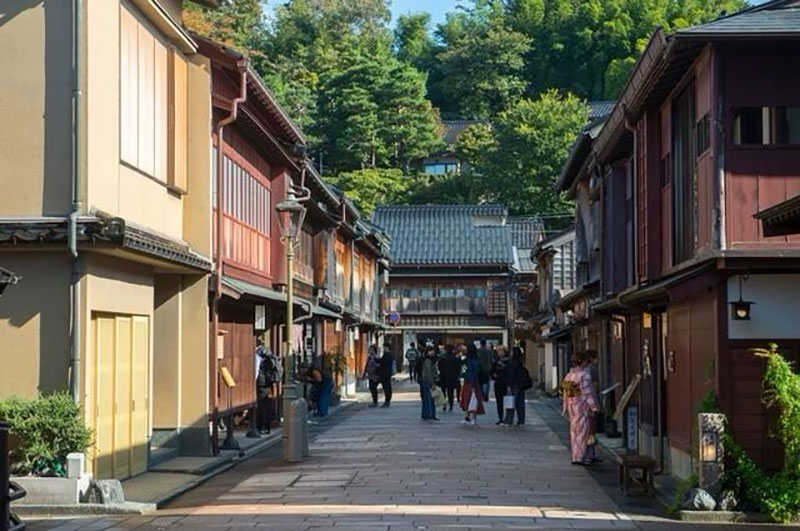
Materials: The exterior walls use a heavy masonry structure (such as clay bricks and stone) to enhance heat insulation performance; doors and windows are made of windproof and sand proof materials with good air tightness, and some residences are equipped with screen windows.
Structure: The roof is insulated, and the ground is covered with a moisture-proof layer; some residences are designed with an inner courtyard structure to resist wind and sand erosion.
- High-altitude mountain climate zone (Qinghai-Tibet Plateau, Pamir Plateau)
• Climate characteristics: high altitude, low temperature, large temperature difference between day and night, strong ultraviolet radiation, strong winds, and permafrost and blizzards in some areas.
Adaptation strategy for temporary housing
Materials: High-strength light steel + thickened insulated sandwich panels are selected to resist low temperatures and strong winds; the exterior walls are coated with an anti-UV coating to prevent the panels from aging.
Structure: The structure uses an elevated foundation to avoid the permafrost layer; the roof has a large slope to enhance snow resistance; the frame structure needs to be reinforced against wind to prevent it from being overturned by strong winds.
Functions: Equipped with a heating system and oxygen supply equipment; doors and windows use double-layer vacuum glass to improve heat preservation and UV protection; suitable for plateau scientific research stations and temporary resettlement housing.
Adaptation strategy for permanent residence
Materials: The main structure is made of reinforced concrete, the exterior walls use materials with excellent thermal insulation performance (such as polyurethane insulation boards), and the roof has a thickened insulation layer.
Structure: The foundation uses pile foundations that penetrate the frozen soil layer; the houses are oriented towards the sun to improve lighting and heating efficiency; some residences are equipped with solar heating systems.
Ⅱ. Common Climate Adaptation Principles for Temporary Housing and Permanent Housing
1. Waterproofing and drainage: Regardless of the climate type, both require attention to roof drainage design and foundation moisture-proofing to prevent rainwater leakage and waterlogging.
2. Structural strength: It needs to be designed according to local wind load and snow load standards to ensure the ability to withstand extreme weather (typhoons, blizzards, strong winds).
- Thermal insulation: Select appropriate thermal insulation materials based on the differences in temperature to balance indoor temperature and reduce energy consumption.
- Climate-driven market demand differences
• Tropical and subtropical monsoon climate zones: Temporary housing needs are mainly for “moisture-proof and wind-resistant” construction, and are mostly used for temporary projects and post-disaster reconstruction; permanent housing emphasizes “waterproofing and ventilation”.
• Temperate and plateau climate zones: Temporary housing needs are mainly for “heat insulation and cold resistance”, and are mostly used for field operations and winter construction; permanent housing focuses on “cold protection and heating”.